
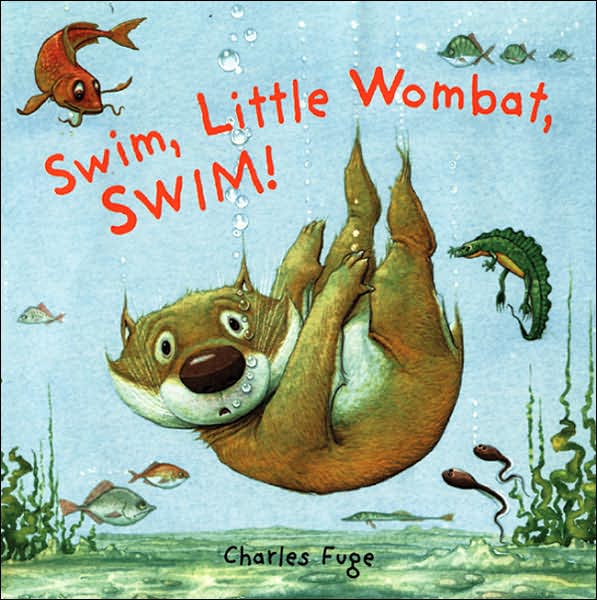
 Early Literacy Aside--Explain: Today we are going to be reading stories about Australia. We're going to be hearing about a lot of new animals and learning a lot of new words. Those new words PLUS all the words you already know are vocabulary. If children have a good vocabulary, know a lot of words, which they learn from you and from books, it will be a lot easier for them to understand what they are reding when they learn to read. It starts NOW! That's why today, as we read about all these new animals, we're going to be learning about vocabulary, too.As you read Swim, Little Wombat, Swim use the pictures to explain unfamiliar words.
The furry little wombat is something like a pig with a grumpy nature and an awful urge to dig, complete with claws made mighty and strong for moving tons of dirt along . . .
Early Literacy Aside--Example: This story had a lot of words you might never use in everyday conversation. By using the words in the story and not replacing them with more familiar words, your child's vocabulary will grow. Also, they learn to use the pictures to get an idea of what the word means.
Early Literacy Aside--Empower: Now that you've heard all these stories about Australian animals like the platypus and the wombat, you all can look at these factual books with photographs of Australian animals that I have pulled from the shelves. You and your children can use your new vocabulary and you might even learn some more new words to use as you share these books together.
Early Literacy Aside--Explain: Today we are going to be reading stories about Australia. We're going to be hearing about a lot of new animals and learning a lot of new words. Those new words PLUS all the words you already know are vocabulary. If children have a good vocabulary, know a lot of words, which they learn from you and from books, it will be a lot easier for them to understand what they are reding when they learn to read. It starts NOW! That's why today, as we read about all these new animals, we're going to be learning about vocabulary, too.As you read Swim, Little Wombat, Swim use the pictures to explain unfamiliar words.
The furry little wombat is something like a pig with a grumpy nature and an awful urge to dig, complete with claws made mighty and strong for moving tons of dirt along . . .
Early Literacy Aside--Example: This story had a lot of words you might never use in everyday conversation. By using the words in the story and not replacing them with more familiar words, your child's vocabulary will grow. Also, they learn to use the pictures to get an idea of what the word means.
Early Literacy Aside--Empower: Now that you've heard all these stories about Australian animals like the platypus and the wombat, you all can look at these factual books with photographs of Australian animals that I have pulled from the shelves. You and your children can use your new vocabulary and you might even learn some more new words to use as you share these books together.
Submitted by Larisa Martin, Public Library of Charlotte and Mechlenburg County (NC)
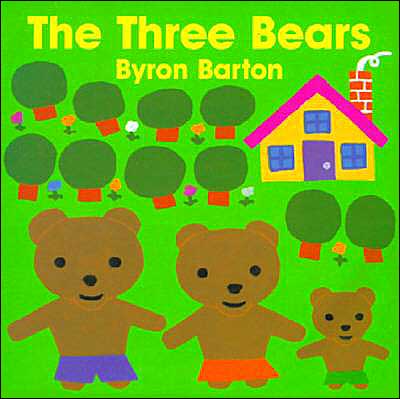 Early Literacy Aside--Explain: Narrative skills is the ability to talk about events and tell stories. Having children tell you what they are thinking, talk about things that happen, or tell you stories is later going to help them understand what they read.Read The Three Bears and have children help you retell the story using props or a flannel board.
Early Literacy Aside--Example: Retelling stories helps children understand what they read. Using props found around home can help children remember and retell stories.
Early Literacy Aside--Empower: When children do what is called dramatic play, when they act out stories, this kind of play helps children understand the structure and story and helps them understand the story itself. Play is a great way to support later reading.
Early Literacy Aside--Explain: Narrative skills is the ability to talk about events and tell stories. Having children tell you what they are thinking, talk about things that happen, or tell you stories is later going to help them understand what they read.Read The Three Bears and have children help you retell the story using props or a flannel board.
Early Literacy Aside--Example: Retelling stories helps children understand what they read. Using props found around home can help children remember and retell stories.
Early Literacy Aside--Empower: When children do what is called dramatic play, when they act out stories, this kind of play helps children understand the structure and story and helps them understand the story itself. Play is a great way to support later reading.
 Early Literacy Aside--Explain: Talking with children as you read books and share rhymes can add to the words they know and to their knowledge if YOU use words they are not familiar with or add information they may not yet know. Both adding to their vocabulary and to their knowledge will help them understand what they read when they learn to read. Say/sing the rhyme with actions:
The itsy bitsy spider went up the waterspout.
Down came the rain and washed the spider out.
Out came the sun and dried up all the rain.
And the itsy bitsy spider climbed up the spout again.
Early Literacy Aside--Example: Here are some examples of the kinds of questions you can ask your children. Then add to what they say to introduce new words and information. [Then you ask the children a couple of questions. Some possibilities are below. Be careful to keep it fun and engaging, not like a test of knowledge.]
Where was the spider going?
What happened when the rain started?
Where do you think spiders live?
Have you seen a spider? Where? What was it doing?
What do you know about spiders?
Early Literacy Aside--Empower: Sometimes we do not know much about some of the topics our children are interested in. We have lots of factual books on a variety of topics like spiders, snakes, dinosaurs, trains, and more. Just let us know what you and your children would like to read about. These books not only make reading enjoyable because yuou are building on your child's interest, you are also setting a good foundation for helping them learn new words and knowledge.
Early Literacy Aside--Explain: Talking with children as you read books and share rhymes can add to the words they know and to their knowledge if YOU use words they are not familiar with or add information they may not yet know. Both adding to their vocabulary and to their knowledge will help them understand what they read when they learn to read. Say/sing the rhyme with actions:
The itsy bitsy spider went up the waterspout.
Down came the rain and washed the spider out.
Out came the sun and dried up all the rain.
And the itsy bitsy spider climbed up the spout again.
Early Literacy Aside--Example: Here are some examples of the kinds of questions you can ask your children. Then add to what they say to introduce new words and information. [Then you ask the children a couple of questions. Some possibilities are below. Be careful to keep it fun and engaging, not like a test of knowledge.]
Where was the spider going?
What happened when the rain started?
Where do you think spiders live?
Have you seen a spider? Where? What was it doing?
What do you know about spiders?
Early Literacy Aside--Empower: Sometimes we do not know much about some of the topics our children are interested in. We have lots of factual books on a variety of topics like spiders, snakes, dinosaurs, trains, and more. Just let us know what you and your children would like to read about. These books not only make reading enjoyable because yuou are building on your child's interest, you are also setting a good foundation for helping them learn new words and knowledge. Early Literacy Aside--Explain: Today we're going to highlight narrative skills. This is the ability to describe things and to talk about events and tell stories. Researchers have noted this skill as one of the early literacy skills that will help your child be ready to read. It helps children
  Early Literacy Aside--Explain: Researchers have found that one of ways you can support later reading is by helping children hear the smaller sounds in words. This skill is called phonological awareness. Today I'll point out some thing you can do to help your childrne develop this skill.Early Literacy Aside--Example: Rhyming is one way that children learn to hear that words are made up of smaller parts. By doing rhymes with your children you are setting the stage for them to sound out words to read.
Read Train Song
Early Literacy Aside--Empower: Find a book at home which has rhyming words and see if your child can identify words that rhyme. If you don't have a rhyming book, just read a book and then pick a word and think of rhyming words together.
Early Literacy Aside--Explain: Researchers have found that one of ways you can support later reading is by helping children hear the smaller sounds in words. This skill is called phonological awareness. Today I'll point out some thing you can do to help your childrne develop this skill.Early Literacy Aside--Example: Rhyming is one way that children learn to hear that words are made up of smaller parts. By doing rhymes with your children you are setting the stage for them to sound out words to read.
Read Train Song
Early Literacy Aside--Empower: Find a book at home which has rhyming words and see if your child can identify words that rhyme. If you don't have a rhyming book, just read a book and then pick a word and think of rhyming words together.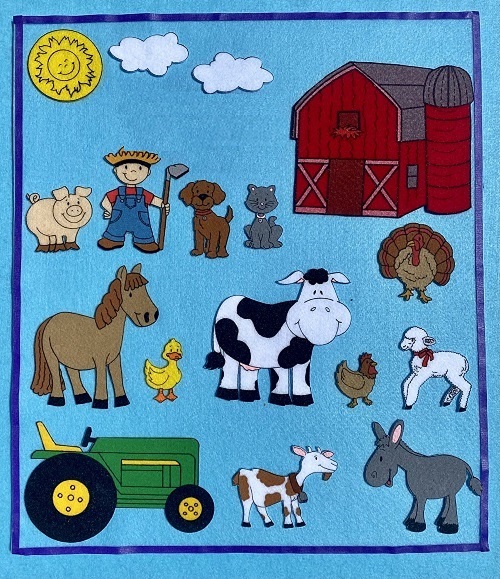
 Early Literacy Aside--Explain: We are going to have fun playing with sounds today, reading stories with sound words. Playing with sounds helps develop phonological awareness which will help your child learn to hear the smaller sounds in words.Read book emphasizing sound words like crunch and munch. Then I go back to some pages and have the children say the words with me, again emphasizing different sounds.
Early Literacy Aside--Example: Hearing and learning sound words like splish-splash is an enjoyable way of learning phonlogical awareness and will help your children later hear smaller sounds in words.
Early Literacy Aside--Empower: At home, play with sound words, like splish-splash in the bath, crunch-munch at snack, and exaggerate how you are saying words to practice hearing their parts.
Early Literacy Aside--Explain: We are going to have fun playing with sounds today, reading stories with sound words. Playing with sounds helps develop phonological awareness which will help your child learn to hear the smaller sounds in words.Read book emphasizing sound words like crunch and munch. Then I go back to some pages and have the children say the words with me, again emphasizing different sounds.
Early Literacy Aside--Example: Hearing and learning sound words like splish-splash is an enjoyable way of learning phonlogical awareness and will help your children later hear smaller sounds in words.
Early Literacy Aside--Empower: At home, play with sound words, like splish-splash in the bath, crunch-munch at snack, and exaggerate how you are saying words to practice hearing their parts.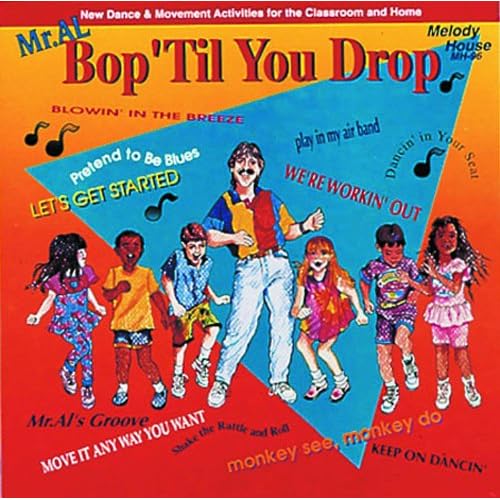 Early Literacy Aside--Explain: Research shows that there are early literacy skills that influence a child's ability to learn to read. Today, you will probably notice several places where I demonstrate examples of narrative skills, which is the ability to describe things and events and to tell stories. When you develop this skill, it will help your children understand what they reads later.Song: Bop 'Til You Drop
Go through the sequence of motions that are in the song, Bop 'Til You Drop
Early Literacy Aside--Example: Singing songs that have a certain order is one great way for children to remember the sequence or order of things. They will use the same skill when they retell a story. They learn how stories work.
Early Literacy Aside--Empower: One thing that you can do at home to develop narrative skills is to describe regular activities such as taking a bath--"first we'll get out the towel, then we'll put the water in the tub and add the bubbles/toys, then we'll take off your clothes, and get in the water. We can scrub our toes, our ears . . . " With older kids, let THEM describe the sequence of events with prompts like, "What do we have to do before we put the bubbles in? or "What do we do next?"
Early Literacy Aside--Explain: Research shows that there are early literacy skills that influence a child's ability to learn to read. Today, you will probably notice several places where I demonstrate examples of narrative skills, which is the ability to describe things and events and to tell stories. When you develop this skill, it will help your children understand what they reads later.Song: Bop 'Til You Drop
Go through the sequence of motions that are in the song, Bop 'Til You Drop
Early Literacy Aside--Example: Singing songs that have a certain order is one great way for children to remember the sequence or order of things. They will use the same skill when they retell a story. They learn how stories work.
Early Literacy Aside--Empower: One thing that you can do at home to develop narrative skills is to describe regular activities such as taking a bath--"first we'll get out the towel, then we'll put the water in the tub and add the bubbles/toys, then we'll take off your clothes, and get in the water. We can scrub our toes, our ears . . . " With older kids, let THEM describe the sequence of events with prompts like, "What do we have to do before we put the bubbles in? or "What do we do next?" Before reading the book: Ask the children to describe things they would put in a box. And in this box it will contain art supplies. What can you think of? They reply with crayons, paint, etc. This is a great way for children to use the vocabulary that they do know and also good for developing Narrative Skills, which is the ability to describe events and tell stories. Now let's see how a book can help introduce children to new vocabulary.Read the book Art Box by Gail Gibbons.
Have items like compass, protractor, etc. available for the children to see and use. Talk about what they do.
Early Literacy Aside--Empower: Parents, having real objects to help children understand words in the book is one way to help build their vocabulary, to learn the meanings of words. Even when you are not reading books, just talking about objects around the house and what they do is one way to expand children's understanding.
Before reading the book: Ask the children to describe things they would put in a box. And in this box it will contain art supplies. What can you think of? They reply with crayons, paint, etc. This is a great way for children to use the vocabulary that they do know and also good for developing Narrative Skills, which is the ability to describe events and tell stories. Now let's see how a book can help introduce children to new vocabulary.Read the book Art Box by Gail Gibbons.
Have items like compass, protractor, etc. available for the children to see and use. Talk about what they do.
Early Literacy Aside--Empower: Parents, having real objects to help children understand words in the book is one way to help build their vocabulary, to learn the meanings of words. Even when you are not reading books, just talking about objects around the house and what they do is one way to expand children's understanding. Early Literacy Aside--Explain: Narrative skills can be developed by having your children tell stories. This is easier for some children when they recognize patterns so that they can predict what will happen next.Early Literacy Aside--Example: As we read the book we want to encourage our children to recognize the pattern and to repeat "buzz, buzz, buzz" and "buzz off."
Read Buzz, Buzz, Buzz! Went Bumble-bee by Colin West
Fingerplay: Here is the Beehive
Here is the beehive. Where are the bees? (Hold up fist.)
Hidden away where nobody sees. (Move other hand around fist.)
Watch and you see them come out of the hive. (Bend head close to fist.)
One, two, three, four, five. (Hold fingers up one at a time.)
Bzzzzzzzz all fly away! (Wave fingers.)
Early Literacy Aside--Empower: Children enjoy repeating phrases as they did in our book and song. Please help your children look for patterns in the books and songs you do at home. This helps foster your children's narrative skills which will later help them understand how stories work and will help them understand what they read.
Early Literacy Aside--Explain: Narrative skills can be developed by having your children tell stories. This is easier for some children when they recognize patterns so that they can predict what will happen next.Early Literacy Aside--Example: As we read the book we want to encourage our children to recognize the pattern and to repeat "buzz, buzz, buzz" and "buzz off."
Read Buzz, Buzz, Buzz! Went Bumble-bee by Colin West
Fingerplay: Here is the Beehive
Here is the beehive. Where are the bees? (Hold up fist.)
Hidden away where nobody sees. (Move other hand around fist.)
Watch and you see them come out of the hive. (Bend head close to fist.)
One, two, three, four, five. (Hold fingers up one at a time.)
Bzzzzzzzz all fly away! (Wave fingers.)
Early Literacy Aside--Empower: Children enjoy repeating phrases as they did in our book and song. Please help your children look for patterns in the books and songs you do at home. This helps foster your children's narrative skills which will later help them understand how stories work and will help them understand what they read. Early Literacy Aside--Explain: Rhyming is one way that children learn to hear that words are made up of smaller parts. By doing rhymes with them you are supporting phonological awareness. This skill helps them when they later try to sound out words. And it's fun, too!Read Who's There on Halloween? by Pamela Beall
 Early Literacy Aside--Explain: Narrative skills includes the ability to retell stories. This is one of the early literacy skills that researchers have noted are important so that your children will later understand what they read.Read Dog Blue by Polly Dunbar.
Early Literacy Aside--Example: Acting out stories or part so them helps children internalize the story and remember it. It will make it easier for your children to retell the story and understand it. They also learn the structure of story--how stories work with a beginning, a middle, and an end.
Act out the story.
Early Literacy Aside--Empower: Children enjoy talking about books you have read together. It is a good way to engage them in conversation, and also helps them remember the story they have read. The ability to retell a story is an important skill to learn before going to school. It helps them understand how stories work and to understand what they will read.
Early Literacy Aside--Explain: Narrative skills includes the ability to retell stories. This is one of the early literacy skills that researchers have noted are important so that your children will later understand what they read.Read Dog Blue by Polly Dunbar.
Early Literacy Aside--Example: Acting out stories or part so them helps children internalize the story and remember it. It will make it easier for your children to retell the story and understand it. They also learn the structure of story--how stories work with a beginning, a middle, and an end.
Act out the story.
Early Literacy Aside--Empower: Children enjoy talking about books you have read together. It is a good way to engage them in conversation, and also helps them remember the story they have read. The ability to retell a story is an important skill to learn before going to school. It helps them understand how stories work and to understand what they will read.
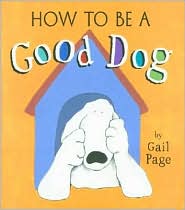 Early Literacy Aside--Explain: Narrative skills is the ability to describe things and to talk about events, and to tell stories. Researchers have noted this skill as one of the early literacy skills that will help your child be ready to read. It helps them understand what they will read.Our next book is How To Be a Good Dog by Gail Page. Let's see what this dog learns.
Read How to Be A Good Dog.
Early Literacy Aside--Example: Acting out stories with your whole body helps our children remember the story to retell it. Let's act out the story together now.
Early Literacy Aside--Empower: Developing narrative skills is as easy as talking with your child about what you've read AND especially having them respond too. You can ask them, "What was the funniest part for you?"
Early Literacy Aside--Explain: Narrative skills is the ability to describe things and to talk about events, and to tell stories. Researchers have noted this skill as one of the early literacy skills that will help your child be ready to read. It helps them understand what they will read.Our next book is How To Be a Good Dog by Gail Page. Let's see what this dog learns.
Read How to Be A Good Dog.
Early Literacy Aside--Example: Acting out stories with your whole body helps our children remember the story to retell it. Let's act out the story together now.
Early Literacy Aside--Empower: Developing narrative skills is as easy as talking with your child about what you've read AND especially having them respond too. You can ask them, "What was the funniest part for you?"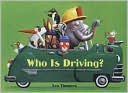 Early Literacy Aside--Explain: Today I'll be pointing out some activities we are doing that support ealry literacy in the area of vocabulary. This is the term that researchers give to knowing the meanings of words. You can see what we do here in storytime and you may get some ideas of what you can do with your children throughout the day.Read the book Who Is Driving? by Leo Timmers. Pause occasionally to talk about a picture and ask what they see in the picture. Add a word or two, synonyms to the words in the the book, the children might not know.
Early Literacy Aside--Example: As you can see, I don't just read the book. We talk about the pictures and ask questions. Allow time for your child to say something back, even if you don't understant exactly what they say. You can see I added in a couple of unfamiliar words too.
Early Literacy Aside--Empower: Our youngest children learn words that name things they can see (pig, tractor, hippopotamus). As children get older they understand words for feelings and concepts, and older still, they understand words for ideas. It is good to expose even young children to all kinds of words, but they will understand the words for things they can see first.
Early Literacy Aside--Explain: Today I'll be pointing out some activities we are doing that support ealry literacy in the area of vocabulary. This is the term that researchers give to knowing the meanings of words. You can see what we do here in storytime and you may get some ideas of what you can do with your children throughout the day.Read the book Who Is Driving? by Leo Timmers. Pause occasionally to talk about a picture and ask what they see in the picture. Add a word or two, synonyms to the words in the the book, the children might not know.
Early Literacy Aside--Example: As you can see, I don't just read the book. We talk about the pictures and ask questions. Allow time for your child to say something back, even if you don't understant exactly what they say. You can see I added in a couple of unfamiliar words too.
Early Literacy Aside--Empower: Our youngest children learn words that name things they can see (pig, tractor, hippopotamus). As children get older they understand words for feelings and concepts, and older still, they understand words for ideas. It is good to expose even young children to all kinds of words, but they will understand the words for things they can see first. Early Literacy Aside--Empower: Print is like magic. When you read aloud with your children, they gradually become aware that the squiggles on the page mean something. We call this "print awareness." It helps to run your finger under the words as you read. Children will also begin to notice print in the world around them. It helps to point out signs as you drive or shop.
Submitted by Cindy Christin, Bozeman (MT) Public Library
Early Literacy Aside--Empower: Print is like magic. When you read aloud with your children, they gradually become aware that the squiggles on the page mean something. We call this "print awareness." It helps to run your finger under the words as you read. Children will also begin to notice print in the world around them. It helps to point out signs as you drive or shop.
Submitted by Cindy Christin, Bozeman (MT) Public Library
Quisque iaculis facilisis lacinia. Mauris euismod pellentesque tellus sit amet mollis.