
 Talk about spiders and how they spin their webs. Each web is different. They use their webs to catch their food.Read the book The Very Busy Spider by Eric Carle.
Put up pieces on a flannel board, having the participants retell the story as you put up the pieces.
Early Literacy Aside--Example: This book has lots of repetition so it is a good one for retelling. I have a handout with the same figures that I used on the flannel board. I will also pass out some yarn to make the web. You can cut out the figures and use the yarn to retell the story. Helping your children to retell stories will help them understand what they read later in school.
Talk about spiders and how they spin their webs. Each web is different. They use their webs to catch their food.Read the book The Very Busy Spider by Eric Carle.
Put up pieces on a flannel board, having the participants retell the story as you put up the pieces.
Early Literacy Aside--Example: This book has lots of repetition so it is a good one for retelling. I have a handout with the same figures that I used on the flannel board. I will also pass out some yarn to make the web. You can cut out the figures and use the yarn to retell the story. Helping your children to retell stories will help them understand what they read later in school.
Figures for flannel board and handout verybusyspiderpatterns.doc [For the flannel board, an alternative to using the cutout figure of the spider is to make a spider by stapling two small paper plates together. Cut strips of black construction paper and attach to paper plates for legs. Slip yarn between the stapled paper plates with a bit sticking out to start the web. Pull out the yarn as you make the web on the flannel board. If you need to you can use velcro or pins or tacks to hold the yarn to the flannel board. Tell the children that spiders don't need that--the web itself is sticky.]
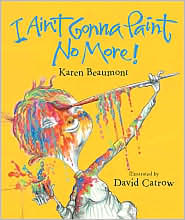 Early Literacy Aside--Example: As I read this story, I am going to pause and have the children fill in the rhyming word. This is something you can easily do with rhyming books. Start off by using rhyming books that your child has read with you before. Helping your children hear rhymes will help them later to sound out words when they learn to read!Read the book: As you read the book, let the children chime in with some of the rhyming words, like head to follow red.
After the book activity: Everyone stand up! What's a word that rhymes with head? Children give suggestions. Pick one--bed. OK, take your hand and dip it in red paint on the floor (pretend). Now take your hand and draw a bed. Good! What's a word that rhymes with green? Perhaps the children say bean. OK, dip your foot in some green paint on the floor, and draw a bean. We all laugh together.
Early Literacy Aside--Example: As I read this story, I am going to pause and have the children fill in the rhyming word. This is something you can easily do with rhyming books. Start off by using rhyming books that your child has read with you before. Helping your children hear rhymes will help them later to sound out words when they learn to read!Read the book: As you read the book, let the children chime in with some of the rhyming words, like head to follow red.
After the book activity: Everyone stand up! What's a word that rhymes with head? Children give suggestions. Pick one--bed. OK, take your hand and dip it in red paint on the floor (pretend). Now take your hand and draw a bed. Good! What's a word that rhymes with green? Perhaps the children say bean. OK, dip your foot in some green paint on the floor, and draw a bean. We all laugh together.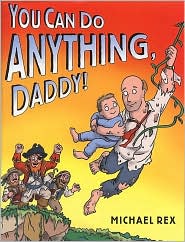 Read the book You Can Do Anything, Daddy by Michael Rex.Craft/Activity: In this book, the boy is thinking of bad things that might happen to him. His father is figuring out how to save his son. I am giving each of you [adults and children] a piece of paper. On one side I want you to draw something you think of that is scary for you. On the other side I want you to think of something your a grownup could do to help you. It is all pretend, make-believe. What can you think of?
Eary Literacy Aside: Having your children draw and then tell you about what they drew develops their narrative skills. It also gives us a window into their thoughts. You can also write down what your children say with the picture so that they make the connection between the written and the spoken word. This helps develop their print awareness, knowing that print has meaning.
Read the book You Can Do Anything, Daddy by Michael Rex.Craft/Activity: In this book, the boy is thinking of bad things that might happen to him. His father is figuring out how to save his son. I am giving each of you [adults and children] a piece of paper. On one side I want you to draw something you think of that is scary for you. On the other side I want you to think of something your a grownup could do to help you. It is all pretend, make-believe. What can you think of?
Eary Literacy Aside: Having your children draw and then tell you about what they drew develops their narrative skills. It also gives us a window into their thoughts. You can also write down what your children say with the picture so that they make the connection between the written and the spoken word. This helps develop their print awareness, knowing that print has meaning. Before reading the book: Ask the children to describe things they would put in a box. And in this box it will contain art supplies. What can you think of? They reply with crayons, paint, etc. This is a great way for children to use the vocabulary that they do know and also good for developing Narrative Skills, which is the ability to describe events and tell stories. Now let's see how a book can help introduce children to new vocabulary.Read the book Art Box by Gail Gibbons.
Have items like compass, protractor, etc. available for the children to see and use. Talk about what they do.
Early Literacy Aside--Empower: Parents, having real objects to help children understand words in the book is one way to help build their vocabulary, to learn the meanings of words. Even when you are not reading books, just talking about objects around the house and what they do is one way to expand children's understanding.
Before reading the book: Ask the children to describe things they would put in a box. And in this box it will contain art supplies. What can you think of? They reply with crayons, paint, etc. This is a great way for children to use the vocabulary that they do know and also good for developing Narrative Skills, which is the ability to describe events and tell stories. Now let's see how a book can help introduce children to new vocabulary.Read the book Art Box by Gail Gibbons.
Have items like compass, protractor, etc. available for the children to see and use. Talk about what they do.
Early Literacy Aside--Empower: Parents, having real objects to help children understand words in the book is one way to help build their vocabulary, to learn the meanings of words. Even when you are not reading books, just talking about objects around the house and what they do is one way to expand children's understanding.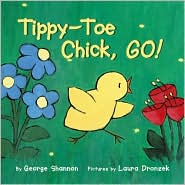 Book Introduction: In our next book, there is a mother hen and her three chicks, one is a Big Chick, one the Middle Chick, and lastly the Little Chick. The Little Chick likes to run on tiptoes, very quickly. Everyone stand up. Let me see you run in place, just where you are standing. Great! Now let me see you stand on tiptoe. That's right you don't touchyour heel to the floor. Now run in place again, but on tiptoe--that's how Little Chick runs. Everyone sit down and let's see what happens. In this book there are sounds like RUFF-RUFF that the dog makes. Let me hear you say that. Great! For Little Chick the sound is tippy-toe, tippy-toe, tippy-toe. Let me hear you say that. Great!OK, ready?! As I read the book you'll be making these sounds. Listen to the story too and see how smart Little Chick is.
Read the story Tippie-Toe Chick, Go! by George Shannon.
Early Literacy Aside--Example: Having your children make the sounds of animals and other sounds helps them develop phonological awareness, being able to hear the smaller sounds in words. This is so important when they later try to sound out words.
Book Introduction: In our next book, there is a mother hen and her three chicks, one is a Big Chick, one the Middle Chick, and lastly the Little Chick. The Little Chick likes to run on tiptoes, very quickly. Everyone stand up. Let me see you run in place, just where you are standing. Great! Now let me see you stand on tiptoe. That's right you don't touchyour heel to the floor. Now run in place again, but on tiptoe--that's how Little Chick runs. Everyone sit down and let's see what happens. In this book there are sounds like RUFF-RUFF that the dog makes. Let me hear you say that. Great! For Little Chick the sound is tippy-toe, tippy-toe, tippy-toe. Let me hear you say that. Great!OK, ready?! As I read the book you'll be making these sounds. Listen to the story too and see how smart Little Chick is.
Read the story Tippie-Toe Chick, Go! by George Shannon.
Early Literacy Aside--Example: Having your children make the sounds of animals and other sounds helps them develop phonological awareness, being able to hear the smaller sounds in words. This is so important when they later try to sound out words. Book Introduction: Our next book is Don't Worry Bear by Greg Foley. [Run your finger under the title.] In this book the caterpillar says the words "Don't worry, bear" over and over again. Let's practice saying that--"Don't worry. bear." Good! . . .As I read the book, I'll point to you all and you'll know to say, "Don't worry, bear." [As you read the book run your finger under the words don't worry bear, as they say these words.]
Early Literacy Aside--Example: You noticed that I ran my finger under the words don't worry bear each time you all said those words. This helps develop your children's print awareness, knowing that print has meaning and that it is the words we read. You can do this with any book you read!
Book Introduction: Our next book is Don't Worry Bear by Greg Foley. [Run your finger under the title.] In this book the caterpillar says the words "Don't worry, bear" over and over again. Let's practice saying that--"Don't worry. bear." Good! . . .As I read the book, I'll point to you all and you'll know to say, "Don't worry, bear." [As you read the book run your finger under the words don't worry bear, as they say these words.]
Early Literacy Aside--Example: You noticed that I ran my finger under the words don't worry bear each time you all said those words. This helps develop your children's print awareness, knowing that print has meaning and that it is the words we read. You can do this with any book you read!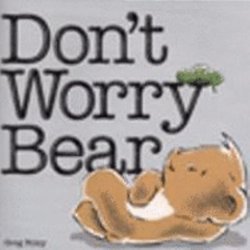
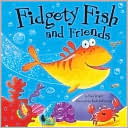 Early Literacy Aside--Explain: Today we are focusing on phonological awareness, the early literacy skill that includes rhyming and helps children hear parts of words. This activity will help children later sound out words as they learn to read.Early Literacy Aside--Example: This story, Fidgety Fish by Ruth Galloway, has rhyming and non-rhyming segments. We'll see words that rhyme and words that don't. Rhyming breaks words into smaller parts. Words that sound like the sounds they make also support phonological awareness. This is called onomatopoeia.
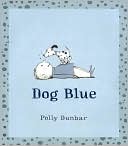 Early Literacy Aside--Explain: Narrative skills includes the ability to retell stories. This is one of the early literacy skills that researchers have noted are important so that your children will later understand what they read.Read Dog Blue by Polly Dunbar.
Early Literacy Aside--Example: Acting out stories or part so them helps children internalize the story and remember it. It will make it easier for your children to retell the story and understand it. They also learn the structure of story--how stories work with a beginning, a middle, and an end.
Act out the story.
Early Literacy Aside--Empower: Children enjoy talking about books you have read together. It is a good way to engage them in conversation, and also helps them remember the story they have read. The ability to retell a story is an important skill to learn before going to school. It helps them understand how stories work and to understand what they will read.
Early Literacy Aside--Explain: Narrative skills includes the ability to retell stories. This is one of the early literacy skills that researchers have noted are important so that your children will later understand what they read.Read Dog Blue by Polly Dunbar.
Early Literacy Aside--Example: Acting out stories or part so them helps children internalize the story and remember it. It will make it easier for your children to retell the story and understand it. They also learn the structure of story--how stories work with a beginning, a middle, and an end.
Act out the story.
Early Literacy Aside--Empower: Children enjoy talking about books you have read together. It is a good way to engage them in conversation, and also helps them remember the story they have read. The ability to retell a story is an important skill to learn before going to school. It helps them understand how stories work and to understand what they will read.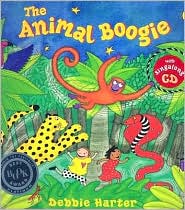 Early Literacy Aside--Explain: Researchers have found that one of the early literacy skills is phonological awareness. This is the ability to hear and play with the smaller sounds in words, like rhyming and hearing the beginning sounds of words. Today I'll be pointing out ways you can help your children with this skill.Early Literacy Aside--Example: Our next book is one we can sing. Listen to all the rhymes in this book. Singing slows down language and rhyming breaks down words into parts. Both of these help your children hear the smaller sounds in words. You can also think of other words that rhyme, or add extra verses at the end.
Read the book Animal Boogie by Debbie Harter.
Early Literacy Aside--Explain: Researchers have found that one of the early literacy skills is phonological awareness. This is the ability to hear and play with the smaller sounds in words, like rhyming and hearing the beginning sounds of words. Today I'll be pointing out ways you can help your children with this skill.Early Literacy Aside--Example: Our next book is one we can sing. Listen to all the rhymes in this book. Singing slows down language and rhyming breaks down words into parts. Both of these help your children hear the smaller sounds in words. You can also think of other words that rhyme, or add extra verses at the end.
Read the book Animal Boogie by Debbie Harter.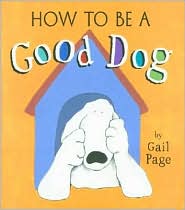 Early Literacy Aside--Explain: Narrative skills is the ability to describe things and to talk about events, and to tell stories. Researchers have noted this skill as one of the early literacy skills that will help your child be ready to read. It helps them understand what they will read.Our next book is How To Be a Good Dog by Gail Page. Let's see what this dog learns.
Read How to Be A Good Dog.
Early Literacy Aside--Example: Acting out stories with your whole body helps our children remember the story to retell it. Let's act out the story together now.
Early Literacy Aside--Empower: Developing narrative skills is as easy as talking with your child about what you've read AND especially having them respond too. You can ask them, "What was the funniest part for you?"
Early Literacy Aside--Explain: Narrative skills is the ability to describe things and to talk about events, and to tell stories. Researchers have noted this skill as one of the early literacy skills that will help your child be ready to read. It helps them understand what they will read.Our next book is How To Be a Good Dog by Gail Page. Let's see what this dog learns.
Read How to Be A Good Dog.
Early Literacy Aside--Example: Acting out stories with your whole body helps our children remember the story to retell it. Let's act out the story together now.
Early Literacy Aside--Empower: Developing narrative skills is as easy as talking with your child about what you've read AND especially having them respond too. You can ask them, "What was the funniest part for you?" Aside: As your baby begins to talk, respond by elaborating on what he says. For example, if your baby points to a picture and says "cat" respond by saying, "Yes, that's a little cat with orange fur." Talking about the picture even if your baby doesn't understand everything also helps build your child's vocabulary. For example, you could say, "Look, the two kittens are playing with the string. They are having fun together."Submitted by Cindy Christin, Bozeman (MT) Public Library
 Early Literacy Aside--Example: Board books are a great investment for babies! They allow babies to handle books freely, and even chew them. Good first choices are board books with pictures of everyday things. Try pointing to the pictures and then to the real objects around you.This helps babies get the idea that pictures and words are symbols for real things, a basic concept for later reading.Share a board book of your choice.
 Early Literacy Aside--Empower: Print is like magic. When you read aloud with your children, they gradually become aware that the squiggles on the page mean something. We call this "print awareness." It helps to run your finger under the words as you read. Children will also begin to notice print in the world around them. It helps to point out signs as you drive or shop.
Submitted by Cindy Christin, Bozeman (MT) Public Library
Early Literacy Aside--Empower: Print is like magic. When you read aloud with your children, they gradually become aware that the squiggles on the page mean something. We call this "print awareness." It helps to run your finger under the words as you read. Children will also begin to notice print in the world around them. It helps to point out signs as you drive or shop.
Submitted by Cindy Christin, Bozeman (MT) Public Library Early Literacy Aside--Explain: Talking with your children while reading, encouraging them to make comments and ask questions is one way to share a book that develops your child's understanding of the book. Make reading with your child a postive experience by allowing your child to make comments and ask questions. Try to focus all your attention on your child for that time.During the storytime, demonstrate these techniques with one or more of your books. Point out what you are doing.
Early Literacy Aside--Empower: Talking with your children and giving them time to respond is supervaluable, even in a conversation consisting entirely of baby babble. This helps your children develop conversation skills. Remember that it can take young children from 5 to 12 seconds to process a question and formulate a response, so it's really important to gie them that extra time to express themselves.
Early Literacy Aside--Explain: Talking with your children while reading, encouraging them to make comments and ask questions is one way to share a book that develops your child's understanding of the book. Make reading with your child a postive experience by allowing your child to make comments and ask questions. Try to focus all your attention on your child for that time.During the storytime, demonstrate these techniques with one or more of your books. Point out what you are doing.
Early Literacy Aside--Empower: Talking with your children and giving them time to respond is supervaluable, even in a conversation consisting entirely of baby babble. This helps your children develop conversation skills. Remember that it can take young children from 5 to 12 seconds to process a question and formulate a response, so it's really important to gie them that extra time to express themselves. Early Literacy Aside--Empower: Rhymes help teach "phonological awareness," an awareness of the sounds that make up words. You may have noticed that your child enjoys the way a nursery rhyme sounds even if it doesn't make much sense to him. When you introduce a new rhyme or song, repeat it at least twice. Three times is even better. And be sure to keep repeating the old, familiar rhymes too.
Submitted by Cindy Christin, Bozeman (MT) Public Library
Early Literacy Aside--Empower: Rhymes help teach "phonological awareness," an awareness of the sounds that make up words. You may have noticed that your child enjoys the way a nursery rhyme sounds even if it doesn't make much sense to him. When you introduce a new rhyme or song, repeat it at least twice. Three times is even better. And be sure to keep repeating the old, familiar rhymes too.
Submitted by Cindy Christin, Bozeman (MT) Public Library Demonstrate aspects of dialogic reading* by asking open-ended questions during your sharing of a book.Book Introduction: With this next book we are going to focus on what we call "dialogic" or "interactive reading."
Read a book. Come back to a picture and ask a question that cannot be answered with yes or now.
Early Literacy Aside--Example: This technique of sharing a book helps develop their narrative skills, their ability to describe things and experiences.
Early Litearcy Aside--Empower: Try dialogic or interactive reading at home with your child. Simply ask questions about what you've read. You can say, Guess what will happen next or relate the story to your child's real experience. Try to ask questions that cannot be answered with yes or no, or just by pointing to the pictures. Having the children talk about the book helps the develop narrative skills. Also, when the child gives a one-word response, you might expand on what she said, adding description or more information.
Demonstrate aspects of dialogic reading* by asking open-ended questions during your sharing of a book.Book Introduction: With this next book we are going to focus on what we call "dialogic" or "interactive reading."
Read a book. Come back to a picture and ask a question that cannot be answered with yes or now.
Early Literacy Aside--Example: This technique of sharing a book helps develop their narrative skills, their ability to describe things and experiences.
Early Litearcy Aside--Empower: Try dialogic or interactive reading at home with your child. Simply ask questions about what you've read. You can say, Guess what will happen next or relate the story to your child's real experience. Try to ask questions that cannot be answered with yes or no, or just by pointing to the pictures. Having the children talk about the book helps the develop narrative skills. Also, when the child gives a one-word response, you might expand on what she said, adding description or more information.