
Storytime Announcement (tune: Yankee Doodle)
Please turn down your cell phones now,
So they will not distract us.
Please join along and sing the songs,
It always helps to practice.
Storytime can help us read.
Storytime is what we need.
Storytime is lots of fun!
Storytime’s for everyone.
EarlyLiteracy Aside--Explain: When you participate in storytime with your children you send them the message that what we do in storytime is important. You let them know that reading is important and enjoyable, worth doing. They love to do things with you. By being present you help to support their print motivation, their enjoyment of books and reading. This will later help them stick with learning to read even if it is difficult for them.
Submitted by Mary Binda, Augusta County (VA) Public Library
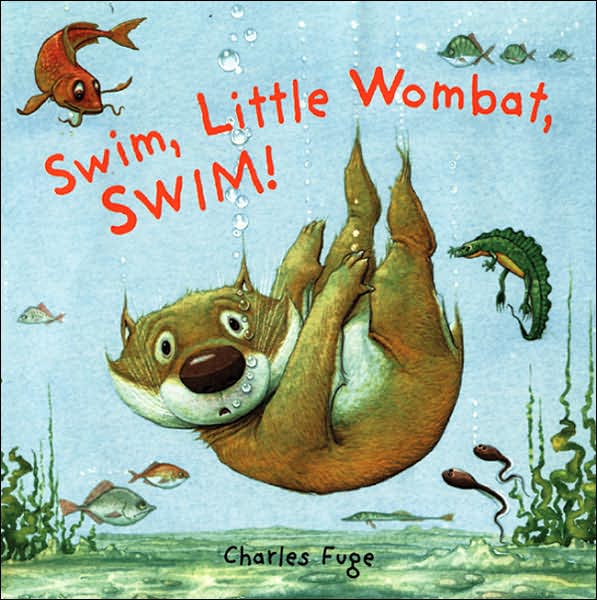 Early Literacy Aside--Explain: Today we are going to be reading stories about Australia. We're going to be hearing about a lot of new animals and learning a lot of new words. Those new words PLUS all the words you already know are vocabulary. If children have a good vocabulary, know a lot of words, which they learn from you and from books, it will be a lot easier for them to understand what they are reding when they learn to read. It starts NOW! That's why today, as we read about all these new animals, we're going to be learning about vocabulary, too.As you read Swim, Little Wombat, Swim use the pictures to explain unfamiliar words.
The furry little wombat is something like a pig with a grumpy nature and an awful urge to dig, complete with claws made mighty and strong for moving tons of dirt along . . .
Early Literacy Aside--Example: This story had a lot of words you might never use in everyday conversation. By using the words in the story and not replacing them with more familiar words, your child's vocabulary will grow. Also, they learn to use the pictures to get an idea of what the word means.
Early Literacy Aside--Empower: Now that you've heard all these stories about Australian animals like the platypus and the wombat, you all can look at these factual books with photographs of Australian animals that I have pulled from the shelves. You and your children can use your new vocabulary and you might even learn some more new words to use as you share these books together.
Early Literacy Aside--Explain: Today we are going to be reading stories about Australia. We're going to be hearing about a lot of new animals and learning a lot of new words. Those new words PLUS all the words you already know are vocabulary. If children have a good vocabulary, know a lot of words, which they learn from you and from books, it will be a lot easier for them to understand what they are reding when they learn to read. It starts NOW! That's why today, as we read about all these new animals, we're going to be learning about vocabulary, too.As you read Swim, Little Wombat, Swim use the pictures to explain unfamiliar words.
The furry little wombat is something like a pig with a grumpy nature and an awful urge to dig, complete with claws made mighty and strong for moving tons of dirt along . . .
Early Literacy Aside--Example: This story had a lot of words you might never use in everyday conversation. By using the words in the story and not replacing them with more familiar words, your child's vocabulary will grow. Also, they learn to use the pictures to get an idea of what the word means.
Early Literacy Aside--Empower: Now that you've heard all these stories about Australian animals like the platypus and the wombat, you all can look at these factual books with photographs of Australian animals that I have pulled from the shelves. You and your children can use your new vocabulary and you might even learn some more new words to use as you share these books together.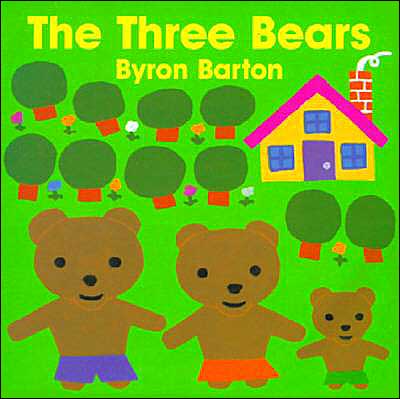 Early Literacy Aside--Explain: Narrative skills is the ability to talk about events and tell stories. Having children tell you what they are thinking, talk about things that happen, or tell you stories is later going to help them understand what they read.Read The Three Bears and have children help you retell the story using props or a flannel board.
Early Literacy Aside--Example: Retelling stories helps children understand what they read. Using props found around home can help children remember and retell stories.
Early Literacy Aside--Empower: When children do what is called dramatic play, when they act out stories, this kind of play helps children understand the structure and story and helps them understand the story itself. Play is a great way to support later reading.
Early Literacy Aside--Explain: Narrative skills is the ability to talk about events and tell stories. Having children tell you what they are thinking, talk about things that happen, or tell you stories is later going to help them understand what they read.Read The Three Bears and have children help you retell the story using props or a flannel board.
Early Literacy Aside--Example: Retelling stories helps children understand what they read. Using props found around home can help children remember and retell stories.
Early Literacy Aside--Empower: When children do what is called dramatic play, when they act out stories, this kind of play helps children understand the structure and story and helps them understand the story itself. Play is a great way to support later reading.
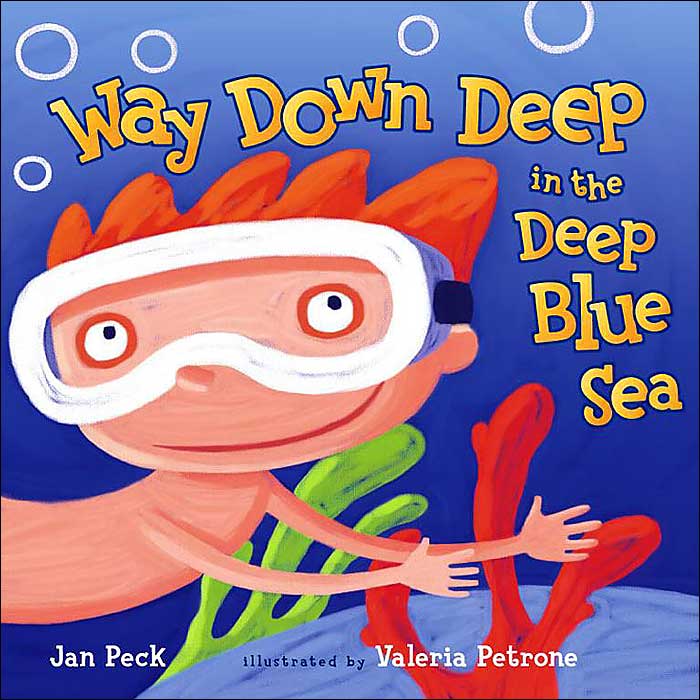 Introduction: I am going to read our next book, Way Down Deep in the Deep Blue Sea by Jan Peck. Then you can tell it with me on the flannel board.Read Way Down Deep in the Deep Blue Sea. Repeat some of the rhymes to help them remember.
Flannel Board: As you put up pieces on the flannel board have the children retell the story.
Early Literacy Aside--Example: Using the flannel board pieces as a clue will help your child remember the story to retell it. Encouraging your children to retell stories helps them to both remember and to understand them. It is a first step in helping them to later understand what they will read.
Introduction: I am going to read our next book, Way Down Deep in the Deep Blue Sea by Jan Peck. Then you can tell it with me on the flannel board.Read Way Down Deep in the Deep Blue Sea. Repeat some of the rhymes to help them remember.
Flannel Board: As you put up pieces on the flannel board have the children retell the story.
Early Literacy Aside--Example: Using the flannel board pieces as a clue will help your child remember the story to retell it. Encouraging your children to retell stories helps them to both remember and to understand them. It is a first step in helping them to later understand what they will read. Early Literacy Aside--Explain: Talking with children as you read books and share rhymes can add to the words they know and to their knowledge if YOU use words they are not familiar with or add information they may not yet know. Both adding to their vocabulary and to their knowledge will help them understand what they read when they learn to read. Say/sing the rhyme with actions:
The itsy bitsy spider went up the waterspout.
Down came the rain and washed the spider out.
Out came the sun and dried up all the rain.
And the itsy bitsy spider climbed up the spout again.
Early Literacy Aside--Example: Here are some examples of the kinds of questions you can ask your children. Then add to what they say to introduce new words and information. [Then you ask the children a couple of questions. Some possibilities are below. Be careful to keep it fun and engaging, not like a test of knowledge.]
Where was the spider going?
What happened when the rain started?
Where do you think spiders live?
Have you seen a spider? Where? What was it doing?
What do you know about spiders?
Early Literacy Aside--Empower: Sometimes we do not know much about some of the topics our children are interested in. We have lots of factual books on a variety of topics like spiders, snakes, dinosaurs, trains, and more. Just let us know what you and your children would like to read about. These books not only make reading enjoyable because yuou are building on your child's interest, you are also setting a good foundation for helping them learn new words and knowledge.
Early Literacy Aside--Explain: Talking with children as you read books and share rhymes can add to the words they know and to their knowledge if YOU use words they are not familiar with or add information they may not yet know. Both adding to their vocabulary and to their knowledge will help them understand what they read when they learn to read. Say/sing the rhyme with actions:
The itsy bitsy spider went up the waterspout.
Down came the rain and washed the spider out.
Out came the sun and dried up all the rain.
And the itsy bitsy spider climbed up the spout again.
Early Literacy Aside--Example: Here are some examples of the kinds of questions you can ask your children. Then add to what they say to introduce new words and information. [Then you ask the children a couple of questions. Some possibilities are below. Be careful to keep it fun and engaging, not like a test of knowledge.]
Where was the spider going?
What happened when the rain started?
Where do you think spiders live?
Have you seen a spider? Where? What was it doing?
What do you know about spiders?
Early Literacy Aside--Empower: Sometimes we do not know much about some of the topics our children are interested in. We have lots of factual books on a variety of topics like spiders, snakes, dinosaurs, trains, and more. Just let us know what you and your children would like to read about. These books not only make reading enjoyable because yuou are building on your child's interest, you are also setting a good foundation for helping them learn new words and knowledge. Early Literacy Aside--Explain: Today we're going to highlight narrative skills. This is the ability to describe things and to talk about events and tell stories. Researchers have noted this skill as one of the early literacy skills that will help your child be ready to read. It helps children
 Early Literacy Aside--Explain: Researchers have found that one of ways you can support later reading is by helping children hear the smaller sounds in words. This skill is called phonological awareness. Today I'll point out some thing you can do to help your childrne develop this skill.Early Literacy Aside--Example: Rhyming is one way that children learn to hear that words are made up of smaller parts. By doing rhymes with your children you are setting the stage for them to sound out words to read.
Read Train Song
Early Literacy Aside--Empower: Find a book at home which has rhyming words and see if your child can identify words that rhyme. If you don't have a rhyming book, just read a book and then pick a word and think of rhyming words together.
Early Literacy Aside--Explain: Researchers have found that one of ways you can support later reading is by helping children hear the smaller sounds in words. This skill is called phonological awareness. Today I'll point out some thing you can do to help your childrne develop this skill.Early Literacy Aside--Example: Rhyming is one way that children learn to hear that words are made up of smaller parts. By doing rhymes with your children you are setting the stage for them to sound out words to read.
Read Train Song
Early Literacy Aside--Empower: Find a book at home which has rhyming words and see if your child can identify words that rhyme. If you don't have a rhyming book, just read a book and then pick a word and think of rhyming words together.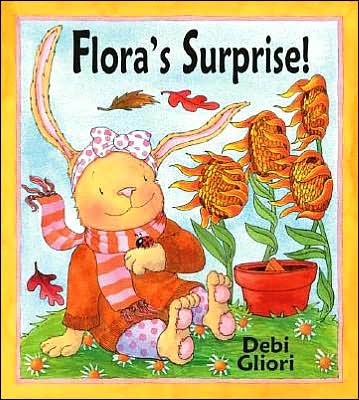 Early Literacy Aside--Example: This is a favorite book of mine. It shows children enjoying planting seeds and also how children think, in interesting ways. Let your child know when you are reading a favorite book of yours. This helps develop print motivation.Read Flora's Surprise
 Early Literacy Aside--Explain: Researchers have found that children with a large vocabulary, who have heard a lot of different words, find it easier to learn to read when the time comes.Read Who Wants a Valentine?
Early Literacy Aside--Example: Don't replace unfamiliar words, use them and explain them if necessary. For example: "Tea for two?/ I decline./ I don't want a valentine." I didn't change the word decline, I explained it: decline means to say no.
Early Literacy Aside--Explain: Researchers have found that children with a large vocabulary, who have heard a lot of different words, find it easier to learn to read when the time comes.Read Who Wants a Valentine?
Early Literacy Aside--Example: Don't replace unfamiliar words, use them and explain them if necessary. For example: "Tea for two?/ I decline./ I don't want a valentine." I didn't change the word decline, I explained it: decline means to say no.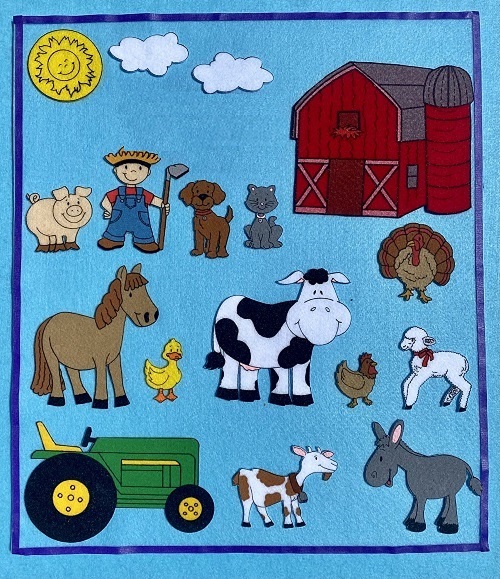
 I fed my duck under yonder tree.
Duck goes quack, quack,
Cat goes fiddle-i-fee.
Keep adding verses one-by-one:
Bought me a dog and the dog pleased me,
I fed my dog under yonder tree.
Dog goes bow-wow, bow-wow,
Horse goes neigh, neigh,
Cow goes moo, moo,
Pig goes oink, oink,
Sheep goes baa, baa,
Goose goes hissy, hissy,
Duck goes quack, quack,
Cat goes fiddle-i-fee.
Early Literacy Aside--Example: This song includes some silly animal sounds which is the beginning of making the child aware of the sounds within words.
I fed my duck under yonder tree.
Duck goes quack, quack,
Cat goes fiddle-i-fee.
Keep adding verses one-by-one:
Bought me a dog and the dog pleased me,
I fed my dog under yonder tree.
Dog goes bow-wow, bow-wow,
Horse goes neigh, neigh,
Cow goes moo, moo,
Pig goes oink, oink,
Sheep goes baa, baa,
Goose goes hissy, hissy,
Duck goes quack, quack,
Cat goes fiddle-i-fee.
Early Literacy Aside--Example: This song includes some silly animal sounds which is the beginning of making the child aware of the sounds within words. Submitted by Anna Hancock, Cincinnati (OH) Public Library
 There for all to see.
You may blow one candle out,
There for all to see.
You may blow one candle out, 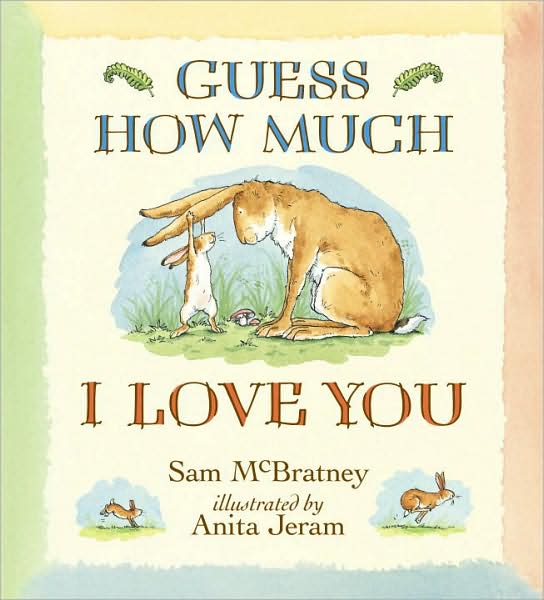 Our next book is Guess How Much I Love You by Sam McBratney.Early Literacy Aside--Example: This is my favorite book from my son's early years. We would read this one every night and we both knew the book word for word. Having a positive interaction with books and reading is an example of print motivation, helping children to associate reading with enjoyment.
Submitted by Karri Marshall, Lane (OH) Public Libraries
Our next book is Guess How Much I Love You by Sam McBratney.Early Literacy Aside--Example: This is my favorite book from my son's early years. We would read this one every night and we both knew the book word for word. Having a positive interaction with books and reading is an example of print motivation, helping children to associate reading with enjoyment.
Submitted by Karri Marshall, Lane (OH) Public Libraries To look in a birds nest; then there were three.
Three little kittens wondered what to do.
One saw a mouse, and then there were two.
Two little kittens playing near a wall.
One little kitten chased a red ball.
One little kitten with fur soft as silk,
Left all alone to drink a dish of milk.
To look in a birds nest; then there were three.
Three little kittens wondered what to do.
One saw a mouse, and then there were two.
Two little kittens playing near a wall.
One little kitten chased a red ball.
One little kitten with fur soft as silk,
Left all alone to drink a dish of milk.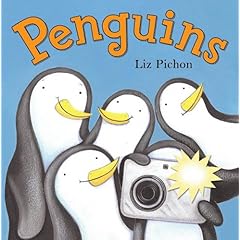 [New words in this book: activities, camera lens, grinning, waddle, amazing, developed]Listen to the interesting words in this book as I read it.
Read the book.
Early Literacy Aside--Example: Hearing new words in books helps your child learn lots of words and the more vocabulary they learn the more they will understand what they will read.
[New words in this book: activities, camera lens, grinning, waddle, amazing, developed]Listen to the interesting words in this book as I read it.
Read the book.
Early Literacy Aside--Example: Hearing new words in books helps your child learn lots of words and the more vocabulary they learn the more they will understand what they will read.